


%20(3%20x%203%20in).png)
PRP vs PRF: Choosing the Best Treatment for Your Needs

Updated: Jul 29
Platelet-Rich Plasma (PRP) and Platelet-Rich Fibrin (PRF) are regenerative therapies that use components of your own blood to promote healing and tissue regeneration. They each have different preparation, composition, and benefits. Understanding these differences can help you decide which treatment best suits your needs.

What Are PRP and PRF?
Both PRP and PRF are derived from your blood, but the way they are processed and their final composition differ.
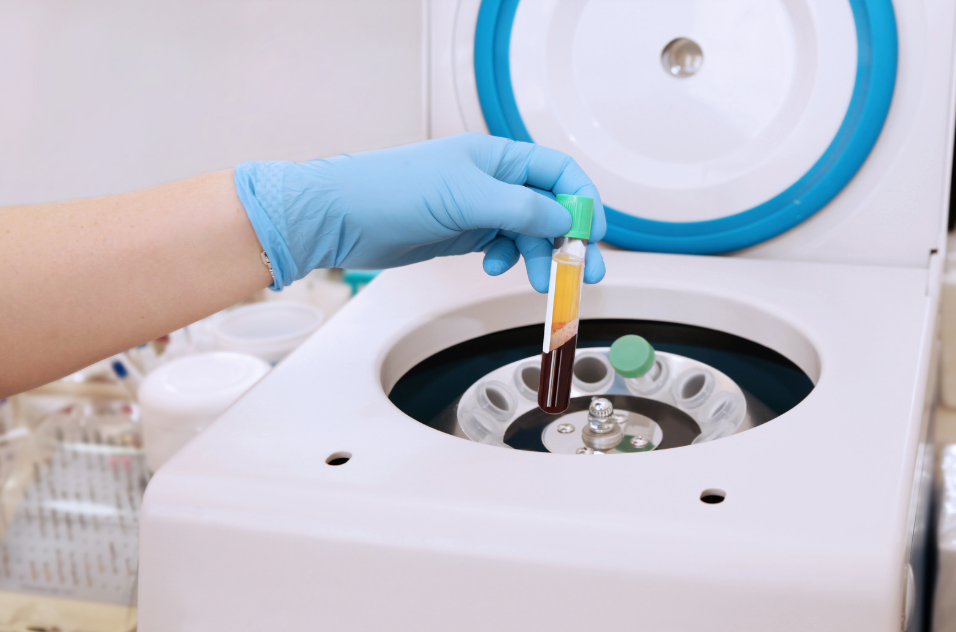
PRP involves drawing blood, then spinning it in a centrifuge to separate the plasma rich in platelets from other blood components. This plasma contains a high concentration of platelets, which release growth factors to stimulate healing.
PRF is a newer technique where blood is also centrifuged but without anticoagulants. This process creates a fibrin matrix rich in platelets and white blood cells, which slowly releases growth factors over time.
The main difference is the presence of fibrin in PRF, which acts as a natural scaffold supporting tissue repair.
How PRP and PRF Work
Both treatments aim to accelerate healing by delivering growth factors directly to the injured or treated area.
PRP releases growth factors quickly after injection, accelerating the healing process.
PRF releases growth factors more gradually due to the fibrin matrix, providing longer-lasting effects.
Benefits
PRP
Quick preparation and application.
High concentration of platelets.
Widely studied with many clinical applications.
PRF
No anticoagulants needed, making it more natural.
Fibrin matrix supports slow and steady release of growth factors.
Contains white blood cells that may help fight infection.
Which Treatment Is Right for You?
Choosing between PRP and PRF depends on your specific condition, treatment goals, and preferences.
If you need quick healing stimulation, PRP might be the better choice.
If you prefer a more natural approach with steady release of healing factors, PRF could be more suitable.
Discuss your options with a healthcare professional who can evaluate your condition and recommend the best treatment.
What to Expect During Treatment
Both treatments involve a simple blood draw, followed by processing and injection into the target area.
The procedure usually takes about 30 to 60 minutes.
Some mild discomfort or swelling may occur after injection.
Multiple sessions might be necessary depending on the condition.
Recovery time varies, but many patients notice improvement within a few weeks.
Side Effects
Since both PRP and PRF use your own blood, the risk of allergic reactions or infections is low. However, mild side effects such as pain, swelling, or bruising at the injection site can happen.
PRP vs PRF
Both PRP and PRF are used for enhancing healing and tissue regeneration. Understanding their differences helps you make an informed decision tailored to your needs. Whether you are looking for a faster recovery or a natural healing process, consulting with a medical professional will guide you to the best choice for you.
Not sure which treatment is right for you? Book a consultation at LaSalle Medical Aesthetics to receive a personalized treatment plan.
Love,
Madalina



Comments