


%20(3%20x%203%20in).png)
The Benefits of Microneedling for Acne Scars
Updated: Jul 29
Acne scars can leave lasting marks on the skin, leaving behind uneven texture and visible marks. Many people seek effective treatments to reduce the appearance of these scars and restore smoother skin. Microneedling is a technique used for improving acne scars with minimal downtime.

How Microneedling Works
Microneedling involves using a device with fine needles to create tiny punctures in the skin. These controlled micro-injuries trigger the body's natural healing process. The skin responds by producing new collagen and elastin, essential proteins that improve skin texture and firmness.
This process:
Breaks down old scar tissue
Stimulates regeneration of healthy skin cells
Improves blood circulation in the treated area
By stimulating collagen production, microneedling gradually reduces the depth and visibility of acne scars, leading to smoother skin.
Types of Acne Scars Microneedling Can Treat
Microneedling works best on certain types of acne scars, including:
Atrophic scars: These are depressed scars that create indentations in the skin, such as ice pick, boxcar, and rolling scars.
Mild to moderate scars: Microneedling is effective for scars that are not too deep or extensive.
Post-inflammatory hyperpigmentation: Microneedling can help fade dark spots left by acne.
For very deep or severe scars, microneedling may be combined with other treatments like laser therapy or chemical peels for better results.
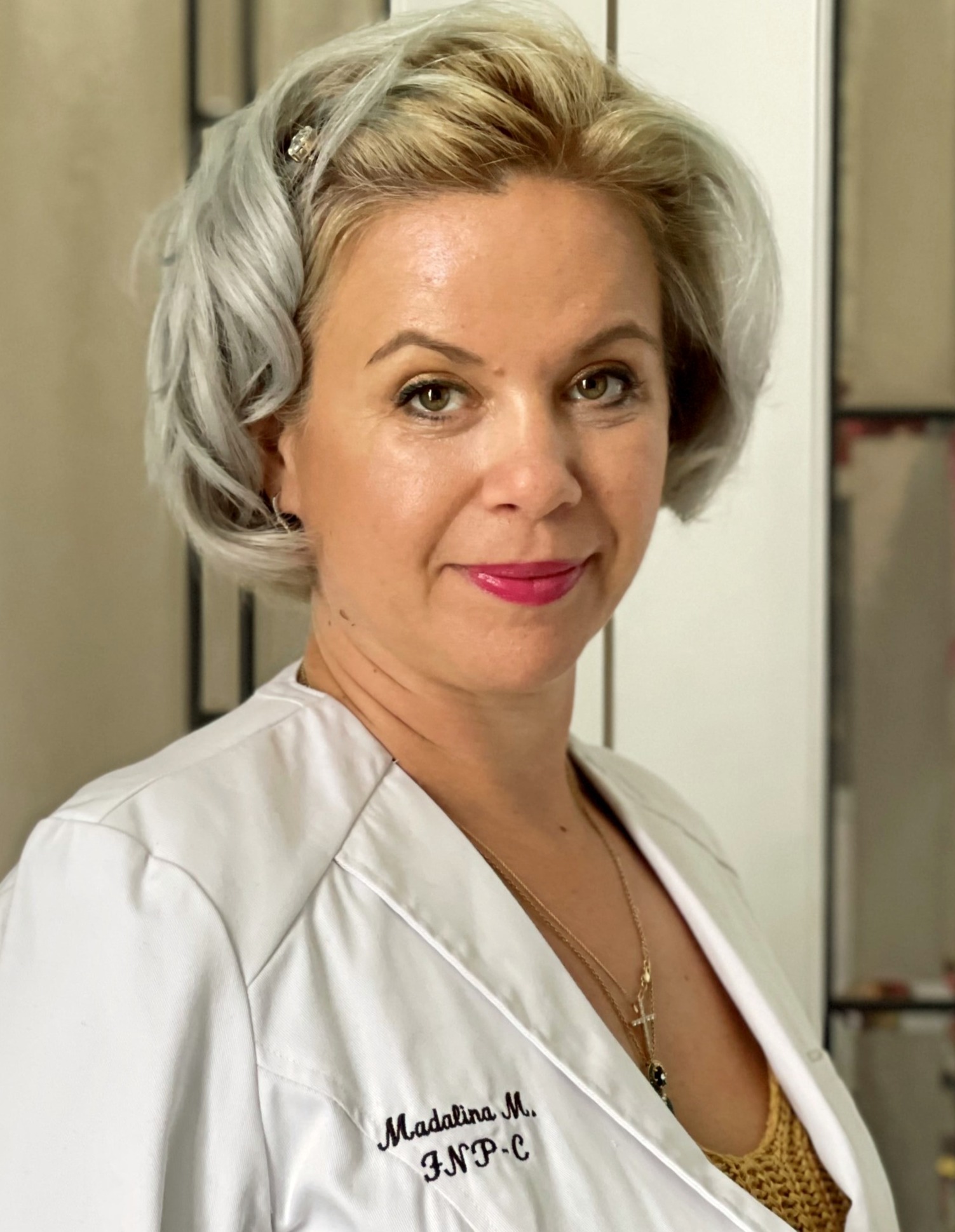
Not sure if microneedling is right for you? Book a consultation for advice from our medical professional Maddie.


Benefits of Microneedling for Acne Scars
Minimal downtime: Most people experience mild redness and swelling for a couple days but can resume normal activities quickly.
Safe for all skin types: Unlike some laser treatments, microneedling carries a lower risk of pigmentation changes, making it suitable for darker skin tones.
Improves overall skin quality: Besides reducing scars, microneedling enhances skin tone, firmness, and hydration.
Cost-effective: It is generally more affordable than laser resurfacing or surgical options.
Customizable treatment: Needle length and intensity can be adjusted based on scar severity and skin sensitivity.
What to Expect During and After Treatment
A typical microneedling session lasts about 30 to 60 minutes. The skin is cleansed, and a numbing cream is applied to reduce discomfort. The practitioner then moves the microneedling device over the scarred areas.
After treatment, the skin may look pink or slightly swollen, similar to a mild sunburn. This usually fades within 48 hours. It is important to:
Avoid direct sun exposure and use sunscreen
Keep the skin hydrated with gentle moisturizers
Avoid harsh skincare products for a few days
Most people require 3 to 6 sessions spaced 4 to 6 weeks apart to see significant improvement. Results continue to develop over several months as collagen builds up.
Who Should Avoid Microneedling
Microneedling is not suitable for everyone. Avoid treatment if you have:
Active acne or skin infections
Keloid or hypertrophic scarring tendencies
Blood clotting disorders or are on blood thinners
Open wounds or sunburned skin
Consulting a dermatologist or skincare professional before starting microneedling ensures it is safe and appropriate for your skin condition.
Microneedling for Acne Scars
Microneedling is an effective way to reduce acne scars using the skin’s natural healing ability. It improves skin texture and appearance with minimal side effects and downtime. With patience and proper care, microneedling can help reveal smoother, healthier skin and boost your confidence.
Love,
Madalina


Comments